
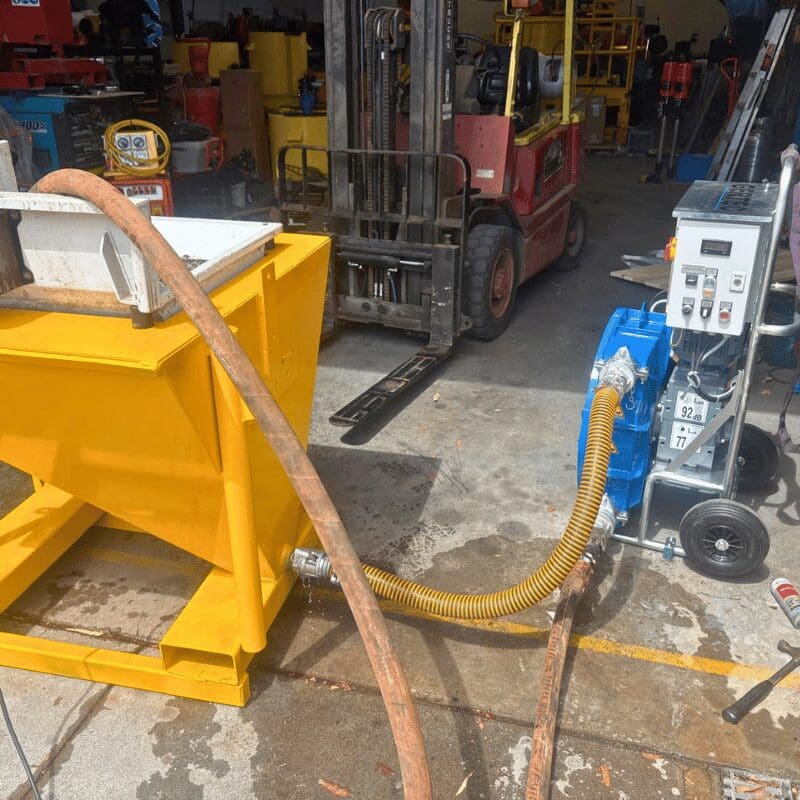
Product Details
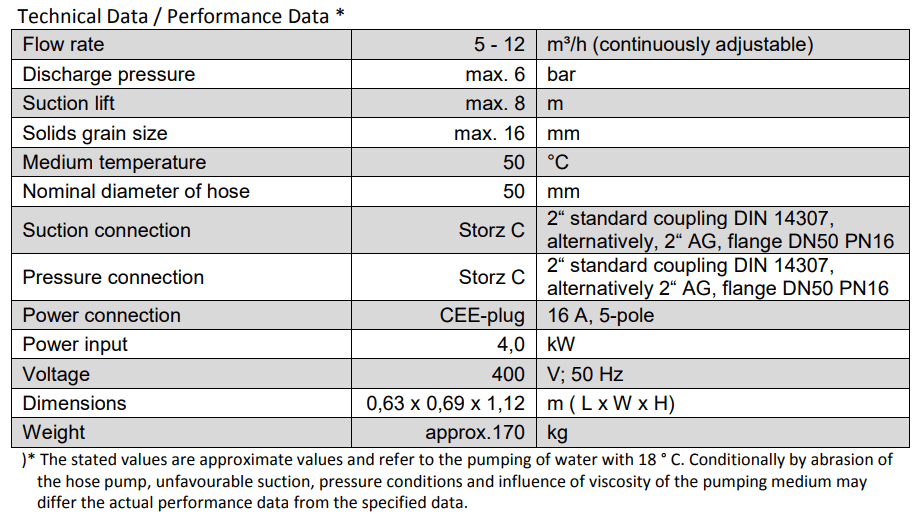
Peristaltic pumps are widely used for grout injection (cementitious or chemical grouts) because they handle thick, abrasive, and sensitive materials better than many other pump types.
Here are the key advantages:
- Handles abrasive and viscous materials well
Grout mixtures often contain sand, or additives that can wear out traditional pumps. Peristaltic pumps move fluid through a flexible hose, so the grout doesn’t contact mechanical parts—reducing wear and extending lifespan. - No clogging / good for solids
They can pump slurries with suspended solids without clogging, making them ideal for grout that isn’t perfectly uniform. - Accurate flow control
Flow rate is directly proportional to pump speed, allowing precise dosing—important for controlled grout injection in geotechnical or repair work. - Self-priming and dry-running capability
Peristaltic pumps can self-prime and run dry without damage, which is useful on construction sites where the supply may be inconsistent. - Easy cleaning and maintenance
Only the hose needs to be cleaned or replaced. This is especially useful when switching between grout types or preventing material from hardening inside the system. - Gentle pumping action
The pumping mechanism minimises shear, helping maintain grout consistency and preventing separation of components. - Reversible flow
They can easily reverse direction, which helps clear blockages or relieve pressure in grout lines. - Good suction lift
They can draw grout from containers below the pump level, adding flexibility in setup.
When they’re especially useful:
- Crack injection and repair work
- Tunnel lining and ground stabilization
- Mining and civil engineering projects
- Chemical grouting where contamination must be avoided
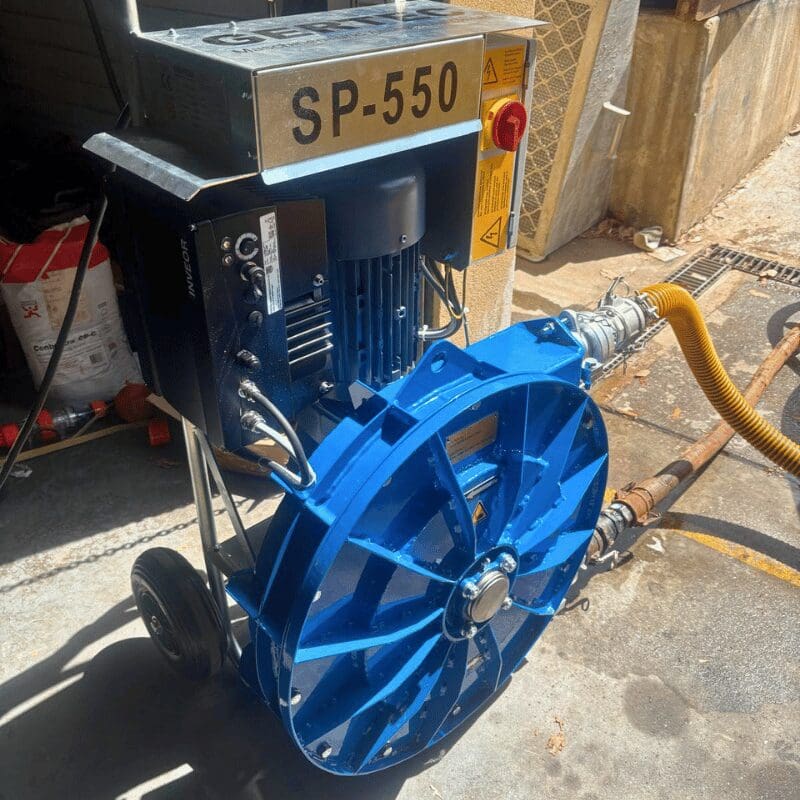
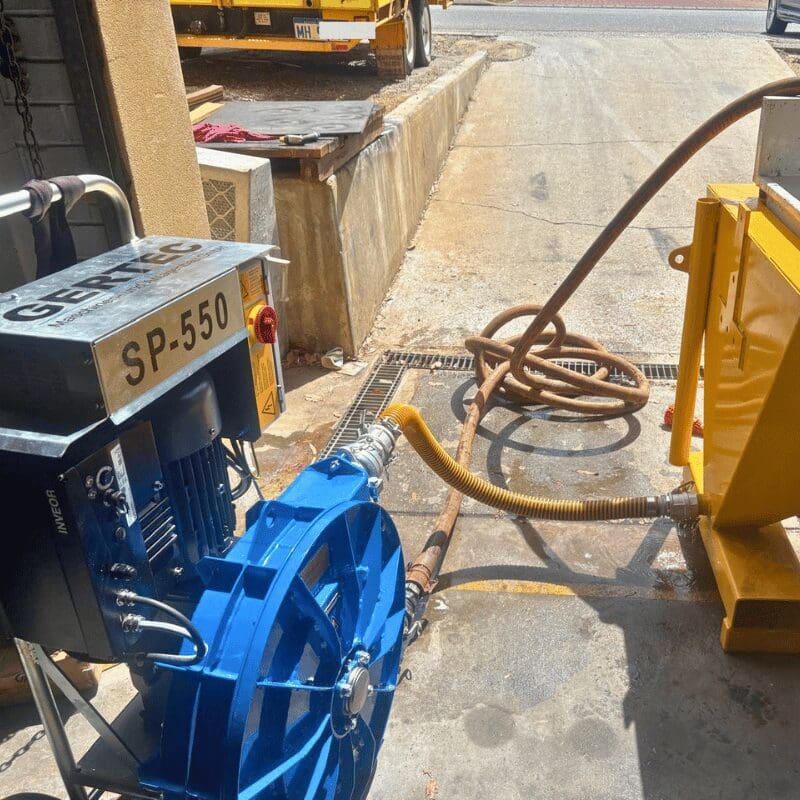
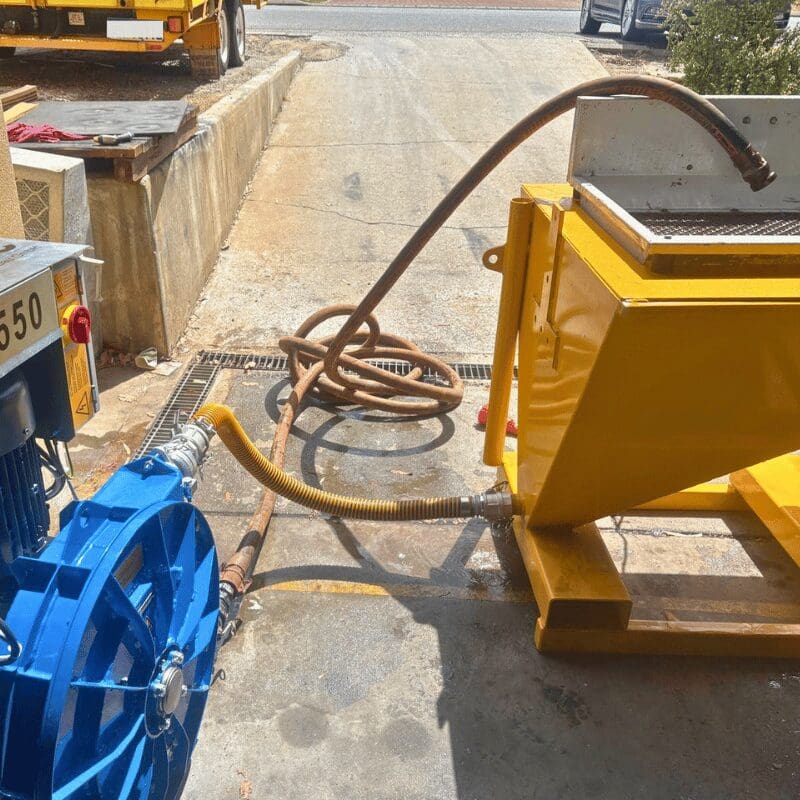
Product images are for reference only and the actual make/model may vary.
Have a question or not sure if this is suitable for your project? Ask the grout pump equipment experts at Grout Pump Hire on 0409295833.